I have a confession to make. I am a serial procrastinator, and I have the attention span of a puppy at a public park. I have low energy, I can't remember what happened five minutes ago, and I can't seem to get organized no matter how hard I try. I'm basically a cautionary tale, so it might seem that I'm the last person in the world that should be writing about productivity.
HOWEVER. Despite my flightiness and my crushing neuroses, I do manage to get stuff accomplished when I want to, thanks to some techniques I use to cope with my damaged brain.
Here are their stories.
15 minutes at a time. I set an egg timer for 15 minutes (or 20 if I'm being ambitious) and I tell myself I must only work on a single task for that time. It might be cleaning, or writing, or editing, or strength training, or what have you. I do this both for things I want to do (and might spend too much time doing otherwise) and things I dread. For things I like, I force myself to stop at the bell. For things I hate, I force myself to keep going until the bell. IT WORKS! Without my beloved egg timer, I would never be able to focus for more than 15 seconds. This means a sudden 60x increase in productivity! LIKE MAGIC!
This technique has the added benefit of helping me figure out how long things actually take. My internal sense of time is completely wrong: I think things I dislike take much longer than they really do. I am always amazed at how much housework I can get done in 15 minutes.
Don't talk about it. I try not to spend too much time talking about what I intend to do in the future. I don't let myself talk to people about my projects until they are semi-complete. For example, I didn't tell anyone outside my family that I was writing a novel until the first draft was complete.
Why? Discussing your goals or incomplete projects with other people can give you a false sense of accomplishment. For example:
You: "I'm writing a novel." (read: I have five pages written and a bunch of ideas, or just a bunch of ideas.)
Your friend: "Wow!! That's amazing!"
You: Wow! I AM amazing!
Not that you're not amazing, but yeah.
I really like talking about myself, so I reward myself with the ability to freedom to talk (incessantly and at length) about my projects once they are actually done.
Don't think about it. The more time you spend ruminating about what you want to do, the less time you have to spend actually pursuing your creative goals. You won't know what works until you try to do it anyway, so stop thinking about it and do it!
Mini-Tip Bonus Round!
Don't watch TV any more!
Don't commit to anything you don't really want to do, unless you need to do it for money!
Quit your day job and become a professional eccentric like me!*
Don't worry about cleaning too much! Life's too short!
You probably don't need to shower every day unless you have a glandular issue! Fewer showers = more productivity time!
Writers! Convert time spent waiting in public to productivity time by bringing notebooks everywhere!
Spend driving time listening to inspiring music and thinking about your projects, or use that time to listen to NPR!
Don't waste time on the webs! Figure out what blogs you like and visit only once a week!
Figure out what you love and make room for it in your life by getting rid of whatever else you can!
*seriously, only do this if you have a trust fund, very supportive parents, and/or a very supportive, saintlike spouse with a great job.
Finally, the biggest tip of all:
Figure out what you want--what you really want, what you'll gladly sacrifice a lot of free time, sanity, and even cold hard cash to accomplish.
And then DO IT!
Go with my blessing!

Wednesday, April 13, 2011

Monday, April 11, 2011
What is up
This moment's thought: Oh shit. That's right. I have a blog.
So I haven't blogged in over a month. That's shameful. Here's a hasty attempt to assert my enduring devotion to the interwebs and to all of my amazing, charismatic, erudite readers, all of whom have excellent taste and should totally keep reading.
Here's what's up. I'll keep it to soundbytes.
Fibromyalgia. I am probably having some sort of relapse. I feel like crap even though I've been eating okay, exercising (albeit half-heartedly) and getting enough sleep. I'm going back to the doctor soon, I think? I can't remember, just like I can't remember anything else.
Bellydance. I am teaching at the Asheville Bellydance Festival next weekend, and my workshop is SOLD OUT. Holy crap. I thought I'd be lucky if three people showed up, seeing as that's basically what happened to me at Triboriginal 2009. Not that I should be advertising that fact on the internet. I am redoubling my efforts to make the workshop totally rock everyone's faces (in a kind, student-focused and supportive way, of course).
The Sparkle Oasis workshop remains open and will be even more face-rocking because it features TWO teachers--including one teacher who doesn't suffer from fibromyalgia brain death syndrome: my majestic sister Emily.
Also. I taught a workshop a few days ago to benefit Historic Green which raised $540, which I need to go online and donate as soon as I am done with this post.
Fiction. I have started working on the sequel to my vampire novel (which I still haven't decided on a title for--now THAT is procrastination). This is not premature and it is in fact a fantastic idea even though it's making it so that I have neither the time nor the energy to finish editing the existing novel or to begin preparing said novel for the agent submission process. Shut up. It totally is awesome and you don't even know.
But seriously, I'm excited about it. I always allow myself to go crazy with the first draft and write really badly. (Otherwise I would never be able to write anything ever.) I'm probably more excited about the opportunity to write really cheesy hackneyed trash than I should be, but whatevs. It's fun not to worry so much about how things sound and instead to focus on what happens next. I don't outline, so I have no idea what is coming. I just get to keep going down the rabbit hole.
My non-vampire short story (novella? novel?) kind of stalled out, so I am submitting it to my writers' group in an attempt to motivate myself to finish it. I will let you know if this ends up being a good idea or a terrible one.
Other. Nothing else about my life is worthy of comment, except for the fact that between private lessons, classes, and tutoring, I can feel that I'm slowly approaching the burnout insanity that I experienced this time last year. I'm glad to be working and to be in demand, but unfortunately I have a Constitution score of 4 (on the DND scale, obvs) and I just can't handle working every day of the week. I'm a little scared to pass things up, though, because I know it's either feast or famine, and a girl needs to eat.
Like I said, I'll let you know how it goes.
So I haven't blogged in over a month. That's shameful. Here's a hasty attempt to assert my enduring devotion to the interwebs and to all of my amazing, charismatic, erudite readers, all of whom have excellent taste and should totally keep reading.
Here's what's up. I'll keep it to soundbytes.
Fibromyalgia. I am probably having some sort of relapse. I feel like crap even though I've been eating okay, exercising (albeit half-heartedly) and getting enough sleep. I'm going back to the doctor soon, I think? I can't remember, just like I can't remember anything else.
Bellydance. I am teaching at the Asheville Bellydance Festival next weekend, and my workshop is SOLD OUT. Holy crap. I thought I'd be lucky if three people showed up, seeing as that's basically what happened to me at Triboriginal 2009. Not that I should be advertising that fact on the internet. I am redoubling my efforts to make the workshop totally rock everyone's faces (in a kind, student-focused and supportive way, of course).
The Sparkle Oasis workshop remains open and will be even more face-rocking because it features TWO teachers--including one teacher who doesn't suffer from fibromyalgia brain death syndrome: my majestic sister Emily.
Also. I taught a workshop a few days ago to benefit Historic Green which raised $540, which I need to go online and donate as soon as I am done with this post.
Fiction. I have started working on the sequel to my vampire novel (which I still haven't decided on a title for--now THAT is procrastination). This is not premature and it is in fact a fantastic idea even though it's making it so that I have neither the time nor the energy to finish editing the existing novel or to begin preparing said novel for the agent submission process. Shut up. It totally is awesome and you don't even know.
But seriously, I'm excited about it. I always allow myself to go crazy with the first draft and write really badly. (Otherwise I would never be able to write anything ever.) I'm probably more excited about the opportunity to write really cheesy hackneyed trash than I should be, but whatevs. It's fun not to worry so much about how things sound and instead to focus on what happens next. I don't outline, so I have no idea what is coming. I just get to keep going down the rabbit hole.
My non-vampire short story (novella? novel?) kind of stalled out, so I am submitting it to my writers' group in an attempt to motivate myself to finish it. I will let you know if this ends up being a good idea or a terrible one.
Other. Nothing else about my life is worthy of comment, except for the fact that between private lessons, classes, and tutoring, I can feel that I'm slowly approaching the burnout insanity that I experienced this time last year. I'm glad to be working and to be in demand, but unfortunately I have a Constitution score of 4 (on the DND scale, obvs) and I just can't handle working every day of the week. I'm a little scared to pass things up, though, because I know it's either feast or famine, and a girl needs to eat.
Like I said, I'll let you know how it goes.
Tuesday, March 8, 2011
Teaching bellydance, part 3
This is Part 3 of a 4(?) part series on teaching bellydance. Part 1 (why to teach, and what to expect when you start teaching) and Part 2 (resources for new teachers) are available at the links.
Part 3: Cultivating Uniqueness
So you've started teaching, or you're considering it. How are you going to distinguish yourself from the other teachers in your area and create a niche for yourself? In other words, how are you going to avoid needlessly duplicating someone else's instruction, especially someone else with more teaching and dancing experience than you? These questions are important-- maybe even crucial-- to your success in the long term, but they're not always easy to answer. Here are some steps to help you cultivate your own unique teaching style and vocabulary.
For the Love of God Don't Plagiarize
What follows is the truth, not my personal opinion. Choreographies, including combinations, are the choreographer's intellectual property. If you are teaching another dancer's combinations or choreography without their consent, you are plagiarizing from that teacher! This is wrong! It's basically stealing.
ASK before you teach someone else's stuff. If you can't ask, or don't want to, don't teach it. If you desperately want to teach someone else's stuff and can't get permission, it's your responsibility to make major changes to it before you teach it. You should still say that your version of the combo or choreo is inspired by the person you learned it from.
Diversify
Everyone gets their inspiration from somewhere. Most of us get it from other dancers. There's absolutely nothing wrong with taking inspiration from other people, but if your dance gene pool (so to speak) is too shallow, it will show. To avoid looking like a weak imitation of another dancer, open your eyes, mind, and heart to new sources of inspiration.
Investigate other dancers. Never stick with one teacher; at the very least, take workshops from different people. It's best if you can take classes long-term with more than one person whose work you respect.
Investigate other styles. Don't assume that classes or workshops with a dancer whose style is not what you're interested in will be worthless! Instead, use them as an opportunity to broaden your knowledge base and your skills. What can you learn from someone whose style is totally different than yours? How could you adapt their moves and combinations to look more at home in your own style?
Investigate other dance forms, at least over YouTube. You might not want to use moves or combinations from other forms of dance, but it helps to watch videos with a critical eye. Some elements of dance are universal. What makes a dance interesting? What poses and lines could you adapt for your own dance? What about traveling patterns and group formations?
Teach what you've Learned
In other words, don't teach what you don't understand.
If something doesn't make sense to you, even if it comes from the mouth of someone you deeply respect, don't teach it. Maybe it will make sense to you in time, but until then, don't just parrot the words to your students. What if someone asks you a question? How can you elaborate on something you don't comprehend?
Give It Time
I usually "sit on" new info from teachers for a while (say six months), integrating it into my home practice over that time, before I teach it to my students. This way I can teach from my own experience. Sometimes I come home from workshops or intensives with stuff that's too exciting not to share right away, but in most cases I think it's best to let things stew for a while before you give them to your students.
Adapt and Integrate
There is no one perfect way to teach each move. It's a calculus; you approach 'perfect' for each person by adapting and refining your teaching strategies over time. Part of this is integrating what you hear from other people.
Don't get complacent. Don't keep teaching basic moves the exact same way each time, and for the love of God, don't just teach what your teacher taught verbatim. Meditate on basic moves on a regular basis. Think about how and why they work.
Read books about anatomy. Understanding body mechanics can help you dig in to your ideas of how to explain both basic and advanced movements.
Take lots of workshops and classes. Look at lots of videos. Listen to how the moves are being taught, don't just learn how to do them. What aspects of each dancer's instruction work for you? What tips and metaphors are really helpful? What parts DON'T work? Make notes, go home and think about what you learned. Think a lot.
Learn from Your Students
Observe your students. Their ability to understand your instruction is the bottom line. Whether or not your techniques are effective will be pretty obvious if you really watch what's going on with each class.
What questions come up again and again? What problems do most students have? Does this reflect on your teaching strategies? How can you adapt to make progress easier for your students? What issues are outside your control?
Encourage your students to give you feedback and to ask as many questions as they need (unless they get way out of control and start asking questions every fifteen seconds, which happens very occasionally).
Don't obsess over the progress of individual students-- sometimes one student or another will face obstacles to improvement that you simply can't control. If most of your students are improving, that's the best you can ask of yourself. If most of your students are not, ask yourself why.
I hope these tips help. Please feel free to leave questions or further advice in the comments!
Part 3: Cultivating Uniqueness
So you've started teaching, or you're considering it. How are you going to distinguish yourself from the other teachers in your area and create a niche for yourself? In other words, how are you going to avoid needlessly duplicating someone else's instruction, especially someone else with more teaching and dancing experience than you? These questions are important-- maybe even crucial-- to your success in the long term, but they're not always easy to answer. Here are some steps to help you cultivate your own unique teaching style and vocabulary.
For the Love of God Don't Plagiarize
What follows is the truth, not my personal opinion. Choreographies, including combinations, are the choreographer's intellectual property. If you are teaching another dancer's combinations or choreography without their consent, you are plagiarizing from that teacher! This is wrong! It's basically stealing.
ASK before you teach someone else's stuff. If you can't ask, or don't want to, don't teach it. If you desperately want to teach someone else's stuff and can't get permission, it's your responsibility to make major changes to it before you teach it. You should still say that your version of the combo or choreo is inspired by the person you learned it from.
Diversify
Everyone gets their inspiration from somewhere. Most of us get it from other dancers. There's absolutely nothing wrong with taking inspiration from other people, but if your dance gene pool (so to speak) is too shallow, it will show. To avoid looking like a weak imitation of another dancer, open your eyes, mind, and heart to new sources of inspiration.
Investigate other dancers. Never stick with one teacher; at the very least, take workshops from different people. It's best if you can take classes long-term with more than one person whose work you respect.
Investigate other styles. Don't assume that classes or workshops with a dancer whose style is not what you're interested in will be worthless! Instead, use them as an opportunity to broaden your knowledge base and your skills. What can you learn from someone whose style is totally different than yours? How could you adapt their moves and combinations to look more at home in your own style?
Investigate other dance forms, at least over YouTube. You might not want to use moves or combinations from other forms of dance, but it helps to watch videos with a critical eye. Some elements of dance are universal. What makes a dance interesting? What poses and lines could you adapt for your own dance? What about traveling patterns and group formations?
Teach what you've Learned
In other words, don't teach what you don't understand.
If something doesn't make sense to you, even if it comes from the mouth of someone you deeply respect, don't teach it. Maybe it will make sense to you in time, but until then, don't just parrot the words to your students. What if someone asks you a question? How can you elaborate on something you don't comprehend?
Give It Time
I usually "sit on" new info from teachers for a while (say six months), integrating it into my home practice over that time, before I teach it to my students. This way I can teach from my own experience. Sometimes I come home from workshops or intensives with stuff that's too exciting not to share right away, but in most cases I think it's best to let things stew for a while before you give them to your students.
Adapt and Integrate
There is no one perfect way to teach each move. It's a calculus; you approach 'perfect' for each person by adapting and refining your teaching strategies over time. Part of this is integrating what you hear from other people.
Don't get complacent. Don't keep teaching basic moves the exact same way each time, and for the love of God, don't just teach what your teacher taught verbatim. Meditate on basic moves on a regular basis. Think about how and why they work.
Read books about anatomy. Understanding body mechanics can help you dig in to your ideas of how to explain both basic and advanced movements.
Take lots of workshops and classes. Look at lots of videos. Listen to how the moves are being taught, don't just learn how to do them. What aspects of each dancer's instruction work for you? What tips and metaphors are really helpful? What parts DON'T work? Make notes, go home and think about what you learned. Think a lot.
Learn from Your Students
Observe your students. Their ability to understand your instruction is the bottom line. Whether or not your techniques are effective will be pretty obvious if you really watch what's going on with each class.
What questions come up again and again? What problems do most students have? Does this reflect on your teaching strategies? How can you adapt to make progress easier for your students? What issues are outside your control?
Encourage your students to give you feedback and to ask as many questions as they need (unless they get way out of control and start asking questions every fifteen seconds, which happens very occasionally).
Don't obsess over the progress of individual students-- sometimes one student or another will face obstacles to improvement that you simply can't control. If most of your students are improving, that's the best you can ask of yourself. If most of your students are not, ask yourself why.
I hope these tips help. Please feel free to leave questions or further advice in the comments!
Wednesday, March 2, 2011
Mini writing update
I am starting to feel better about the book again. (Let's see how long that lasts.) I'm plugging away at the edits of the even chapters and I think I'm starting to see improvement.
Meanwhile, I am busy working on my "short story" which is quickly ballooning in scope and asking to become a novella, a novel, even a series of novels. The more I think about the premise and setting the more I want to keep going down the rabbit hole, but I also want to write a short story and I'm not sure how I would manage working on two novels at once in two completely different universes. I think I need to have my head checked for even considering it.
Right now I want to stay up and write but I have to go to bed. Fibromyalgia makes me turn into a pumpkin at the stroke of eleven. No witching hour for me.
With that, good night.
P.S. It's not paradise over here, though. I've got a choreographer's block the size of Greenland. Long suffering sigh.
Meanwhile, I am busy working on my "short story" which is quickly ballooning in scope and asking to become a novella, a novel, even a series of novels. The more I think about the premise and setting the more I want to keep going down the rabbit hole, but I also want to write a short story and I'm not sure how I would manage working on two novels at once in two completely different universes. I think I need to have my head checked for even considering it.
Right now I want to stay up and write but I have to go to bed. Fibromyalgia makes me turn into a pumpkin at the stroke of eleven. No witching hour for me.
With that, good night.
P.S. It's not paradise over here, though. I've got a choreographer's block the size of Greenland. Long suffering sigh.
Monday, February 28, 2011
February recap and goals for March
Hey, guess what? That's what! It's walk of shame time.
Here were my goals for February.
-Choreograph a solo for the Bozenka show. ALL OF IT.
Well, I tried. I got a minute and a half of a new choreo done, then decided I totally hated it. And now I will be doing improv. Abort/Retry/Fail.
-Write an epilogue for my book.
I did this. And I actually liked it.
-Write a plot summary. No, really. Actually write it this time.
Okay, so I'm 2/3 of the way done with a synopsis. Partial success achieved.
-Go to some more writers' meetups.
I did this. In fact, in a particularly unhinged moment, I agreed to read an excerpt from a short story I'm working on at a writing group tomorrow. Why did I do this? I probably won't be able to sleep tonight. Oh God. I shouldn't think about it.
-Stop freaking out about anything and everything that has to do with book submission.
I think that's going to require some pretty heavy medication. Otherwise, it's most likely unachievable.
-Come up with an action plan for preparing my novel for submission over the next three months.
I'm working on a fourth draft instead. Is it necessary or am I just avoiding the things I fear? It's a column A / column B kind of thing.
-Try to eat like a sane person, not a third grader.
Let's not talk about it.
All right, well, as shameful as that was, I have reasons to be happy with myself. Well, one reason: I'm working on a short story that I really like after months and months of false starts and ideas that were pretty much dead on arrival. So I've got that going for me. Which is nice.
Here are my goals for March:
- Do my taxes. A perennial source of fun!
- Finish and revise the short story I'm working on.
- Finish rewriting the even chapters of the book.
- Make a choreography for my solo at the Asheville Bellydance Festival gala. COME ON SARA. YOU CAN DO IT.
- Finish the synopsis of the novel and clean it up.
- Write a first draft of a query letter to send to agents.
- Promote my upcoming workshops and events.
- Start getting ready to move by cleaning and getting rid of stuff I don't use or need.
YEAH! GO TEAM SKB!
Here were my goals for February.
-Choreograph a solo for the Bozenka show. ALL OF IT.
Well, I tried. I got a minute and a half of a new choreo done, then decided I totally hated it. And now I will be doing improv. Abort/Retry/Fail.
-Write an epilogue for my book.
I did this. And I actually liked it.
-Write a plot summary. No, really. Actually write it this time.
Okay, so I'm 2/3 of the way done with a synopsis. Partial success achieved.
-Go to some more writers' meetups.
I did this. In fact, in a particularly unhinged moment, I agreed to read an excerpt from a short story I'm working on at a writing group tomorrow. Why did I do this? I probably won't be able to sleep tonight. Oh God. I shouldn't think about it.
-Stop freaking out about anything and everything that has to do with book submission.
I think that's going to require some pretty heavy medication. Otherwise, it's most likely unachievable.
-Come up with an action plan for preparing my novel for submission over the next three months.
I'm working on a fourth draft instead. Is it necessary or am I just avoiding the things I fear? It's a column A / column B kind of thing.
-Try to eat like a sane person, not a third grader.
Let's not talk about it.
All right, well, as shameful as that was, I have reasons to be happy with myself. Well, one reason: I'm working on a short story that I really like after months and months of false starts and ideas that were pretty much dead on arrival. So I've got that going for me. Which is nice.
Here are my goals for March:
- Do my taxes. A perennial source of fun!
- Finish and revise the short story I'm working on.
- Finish rewriting the even chapters of the book.
- Make a choreography for my solo at the Asheville Bellydance Festival gala. COME ON SARA. YOU CAN DO IT.
- Finish the synopsis of the novel and clean it up.
- Write a first draft of a query letter to send to agents.
- Promote my upcoming workshops and events.
- Start getting ready to move by cleaning and getting rid of stuff I don't use or need.
YEAH! GO TEAM SKB!
Thursday, February 24, 2011
Teaching bellydance, part 2
Resources for New and Aspiring Teachers
If you want to teach, but you're unsure about how to lead a safe warm-up, how to help students avoid injury, how to explain safe alignment, and other such concerns, these resources can help.
If you are a teacher, and you know of a helpful book, website or DVD I haven't included in this list, please let me know in the comments!

Anatomy of Movement by Blandine Calais-Germain
List Price: $29.99
If you are only going to buy one book about exercise science, consider this one. Its companion, Anatomy of Movement: Exercises, includes concrete ways to integrate the concepts into your classes.
This is a clear guide to human anatomy written in layman's terms and heavily illustrated. It's the most helpful book on anatomy I've ever read.
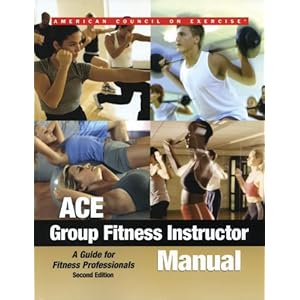
ACE Group Fitness Instructor Manual
NOTE: If you buy this book from the Amazon affiliates I've linked to, it will be much cheaper than buying it from ACE themselves.
This is a comprehensive guide to leading group fitness classes. Were you planning to teach an aerobics class, everything in this book would apply to your goals one hundred percent. Of course, you're not; you're planning to teach a dance class. It's still extremely helpful, but not everything in the book will really apply to your needs. (You probably don't need to know how to lead a class in freezing temperatures, for example.)
It's a large book, and not particularly fun or interesting to read, but it has a lot of very important information that you might not get anywhere else. Topics covered include the biology of exercise, how to lead a warm-up and cool-down, safe stretches for different kinds of exercise, and how to accommodate students with different health issues including pregnancy.
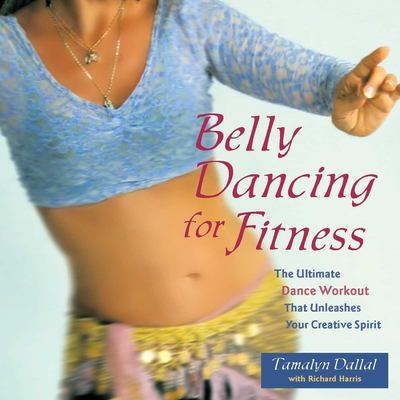
Belly Dancing for Fitness by Tamalyn Dallal
List Price: $14.95
This book is written and marketed as a self-instruction manual for students who want to learn bellydance at home. However, it would still be helpful for anyone who wants to teach beginner classes and is unsure where to start vis a vis lesson planning.

Relieve Stiffness and Feel Young Again with Undulation by Anita Boser
List Price: $24.95
This book is more than what it looks like. The first two chapters provide a fairly comprehensive framework for working with students who are out of shape or in chronic pain. Moreover, it includes a lot of wisdom about spinal alignment, learning to relax, and overcoming stiffness and mobility issues. The rest of the book is dedicated to a series of exercises that work well as light, enjoyable conditioning to help students increase their range of motion and warm up their bodies for class. It's easy to read and many of the exercises are illustrated.

Dynamic Alignment Through Imagery by Eric Franklin
List Price: $30.95
This book is almost the opposite of the ACE manual; it's a treasure trove of information about teaching dance, but not all of it applies to teaching bellydance. However, it's still extremely helpful, especially as a resource for teaching intermediate and advanced students. It's heavily illustrated and includes a ton of exercises to help students increase their body awareness and make their movements clearer and stronger through visualization techniques.
Together with lots of dance experience, these five books would provide a comprehensive basis for any new (or experienced) bellydance instructor.
While you're in research mode, don't neglect to learn about the history and culture of the dance form you're teaching. These two books are a great place to start:
Belly Dance: Orientalism, Transnationalism and Harem Fantasy by Anthony Shay and Barbara Sellers-Young
A Trade Like Any Other: Female Singers and Dancers in Egypt by Karin van Nieuwkerk
If you want to teach, but you're unsure about how to lead a safe warm-up, how to help students avoid injury, how to explain safe alignment, and other such concerns, these resources can help.
If you are a teacher, and you know of a helpful book, website or DVD I haven't included in this list, please let me know in the comments!
Anatomy of Movement by Blandine Calais-Germain
List Price: $29.99
If you are only going to buy one book about exercise science, consider this one. Its companion, Anatomy of Movement: Exercises, includes concrete ways to integrate the concepts into your classes.
This is a clear guide to human anatomy written in layman's terms and heavily illustrated. It's the most helpful book on anatomy I've ever read.
ACE Group Fitness Instructor Manual
NOTE: If you buy this book from the Amazon affiliates I've linked to, it will be much cheaper than buying it from ACE themselves.
This is a comprehensive guide to leading group fitness classes. Were you planning to teach an aerobics class, everything in this book would apply to your goals one hundred percent. Of course, you're not; you're planning to teach a dance class. It's still extremely helpful, but not everything in the book will really apply to your needs. (You probably don't need to know how to lead a class in freezing temperatures, for example.)
It's a large book, and not particularly fun or interesting to read, but it has a lot of very important information that you might not get anywhere else. Topics covered include the biology of exercise, how to lead a warm-up and cool-down, safe stretches for different kinds of exercise, and how to accommodate students with different health issues including pregnancy.
Belly Dancing for Fitness by Tamalyn Dallal
List Price: $14.95
This book is written and marketed as a self-instruction manual for students who want to learn bellydance at home. However, it would still be helpful for anyone who wants to teach beginner classes and is unsure where to start vis a vis lesson planning.
Relieve Stiffness and Feel Young Again with Undulation by Anita Boser
List Price: $24.95
This book is more than what it looks like. The first two chapters provide a fairly comprehensive framework for working with students who are out of shape or in chronic pain. Moreover, it includes a lot of wisdom about spinal alignment, learning to relax, and overcoming stiffness and mobility issues. The rest of the book is dedicated to a series of exercises that work well as light, enjoyable conditioning to help students increase their range of motion and warm up their bodies for class. It's easy to read and many of the exercises are illustrated.
Dynamic Alignment Through Imagery by Eric Franklin
List Price: $30.95
This book is almost the opposite of the ACE manual; it's a treasure trove of information about teaching dance, but not all of it applies to teaching bellydance. However, it's still extremely helpful, especially as a resource for teaching intermediate and advanced students. It's heavily illustrated and includes a ton of exercises to help students increase their body awareness and make their movements clearer and stronger through visualization techniques.
Together with lots of dance experience, these five books would provide a comprehensive basis for any new (or experienced) bellydance instructor.
While you're in research mode, don't neglect to learn about the history and culture of the dance form you're teaching. These two books are a great place to start:
Belly Dance: Orientalism, Transnationalism and Harem Fantasy by Anthony Shay and Barbara Sellers-Young
A Trade Like Any Other: Female Singers and Dancers in Egypt by Karin van Nieuwkerk
Wednesday, February 23, 2011
Teaching bellydance, part 1
I've been getting my thoughts together for some private lessons on teaching. I thought I'd post about it, since I'm trying to organize my mind over it anyway and the easiest way for me to do that is to write.
I've been teaching since 2004, which is not that long. I'm not the final authority on anything. Everything in this article is just my opinion, nothing more.
That being said, let's start at the beginning: making the decision to start teaching bellydance.
Good Reasons to Start Teaching
While there are a million other great reasons to teach, I think if you don't fit into at least two or three of the statements on this list, you might want to reconsider the idea of teaching, at least for now. Continue your training and continue growing as a dancer, then come back to the idea further on down the line.
Some good reasons to start teaching include:
- You have something unique to teach in your local market.
- You have the blessing of your own teacher.
- You have a good amount of experience being a teacher's assistant.
- You have a background in exercise science and/or you have experience teaching other forms of movement.
- You are genuinely excited about the idea of helping other people learn how to dance, even if that means they might take what you've taught them and do it better than you.
Bad Reasons to Start Teaching
There are just as many bad reasons to start teaching. Here are a few.
#1: To make money. Unless you are already well-known in your area and have a fan club of people that are dying to study under you, or you are in an area with no bellydance instructors where people are dying to study under anyone, you will most likely not make money off your classes at first. If you rent space for your classes, you'll probably start off making a loss. If you teach at a fitness center, you'll get paid, but most likely not much. $25/hour sounds pretty good until you realize as a new teacher you should be doing at least 2 hours of prep work outside of class for every class you teach. And you have to pay for gas. And fliers to promote your new classes. And a website. And et cetera. During lean months (August and December come to mind), even established teachers with a solid student base have trouble making money.
#2: To increase your cache in your community. If you have a dance community in your area, you will be competing against established teachers for students. If people don't already respect you as a dancer and a human being, this will not make them feel any better about you. It will not make them take you seriously. In fact, it may make them respect you less. ("Did you hear so-and-so started teaching? But she's only been taking classes for six months!")
#3: To bolster your sense of self-worth as a dancer. What happens when one of your students decides to switch over to someone else's classes (and they will)? Do you want to become one of those psycho bitches who gets all possessive? No. You don't. But if you don't have a strong sense of your own worth that isn't predicated on the number of students you have in any given session, you just might.
#4: Because you've learned all you can from your current teacher. Yeah, that seems like it should be reason enough, but it's really not. In fact, I believe that people who have only studied with one teacher have no business teaching, except to teach as that dancer's assistant. Why? Because without multiple points of reference, when you start teaching, you will be parroting what your teacher taught you. In essence, you'll be putting yourself on the market as a watered-down knockoff of your teacher.
If you've learned all you can from your current teacher, go take lessons with someone else. If there's no one in the area, look up your favorite workshop instructor (you have taken some workshops, haven't you?) and see if they'll do lessons over Skype.
What You Need to Start Teaching
It's a long list.
A lesson plan helps, but it's only a start.
You also need to be able to cultivate a warm, inviting, and respectful classroom atmosphere.
You need to know how to lead a safe warm-up and cool-down.
You need to know how to accommodate students with a history of chronic pain and/or injury.
You need to know how to explain safe posture AND how to recognize when students are in unsafe postures.
You need to be able to recognize when students are executing movements in a potentially harmful way.
You need to feel comfortable giving corrections to students regarding their posture or technique.
You need to be able to explain each movement you plan to teach at least two ways-- the way that makes the most sense to you, and an alternate way in case your students don't understand the first way. (Not everyone learns the same way, so the descriptions and metaphors that worked for you might not work for other people.)
You need to be able to gracefully acknowledge questions you can't answer. ("Well, I'm not sure, but let me get back to you about that next week.") In other words, don't make shit up just to look smart.
Similarly, you need to have the humility to acknowledge the things you aren't ready to teach. For example, I don't teach backbends, because I'm not sure that the way I execute my backbends is entirely safe.
Note how a lot of those requirements have to do with safety. Well, I'm obsessed with safety, partially because I've injured myself doing things that my teachers told me were safe. I never want that to be the experience my students have in my classes.
You may not really care whether or not your students get injured, but remember... people can sue.
It's Not All About You
Your classes should be about your students and your students' experience. Sounds great, right? Well, it is, mostly. The vast majority of bellydance students, just like the vast majority of people in general, are awesome.
And then there are some that are not.
Be prepared to handle the following:
-Occasional psychotic episodes from students; students who are inappropriately confrontational, either with their peers or with you.
-Students who ask questions constantly and, in essence, demand private lesson levels of attention during group classes.
-Students who are vastly more experienced than you showing up to your classes for reasons you can't surmise.
-Students who think they are vastly more experienced than you and attempt to correct or augment your instruction during class.
-Painfully shy students; students who seem totally disinterested; groups of friends who chatter with each other while you're trying to talk to the class.
-Students who take six weeks of classes with you and then try to teach. (Thankfully, this has yet to happen to me, but it's happened to some of my teachers!)
-Students who ask questions such as "How many classes do I need to take before I'll be a professional bellydancer?"
-Students who will do anything not to pay you; students who always have some excuse as to why they can't pay you today; students who steal class supplies such as hip scarves, either accidentally or on purpose.
-Students who talk shit about other students in the middle of class.
As much as it might seem lame and stupid, it helps to have print-outs of class rules and policies on hand at all times. Decide what you think acceptable behavior is for your classes and write it down, then give it to each new student as they arrive. It's much easier to say "you're in violation of the rules so I need to ask you to leave" than "you're acting like a psycho bitch so please go away".
The bottom line is, being a good teacher is hard. You can't ever be prepared for every eventuality, but you should do your best to prepare for things you know will happen.
Students will be self-conscious; you need to be friendly and draw them out of their shell.
Students will do things incorrectly; you need to be able to correct them without making them feel bad.
Students will ask questions you can't answer; when that happens, you need to be able to be humble and tell them "I don't know".
It might sound from what I've said that teaching is just a huge pain in the ass, but if you put the right kind of energy into it, it's extremely rewarding. Seeing your students grow into confident, body-aware, self-possessed dancers is magical. I always tear up when I see my students perform!
I will leave you on that happy note.
In Part 2 of this article, I plan to talk about resources for new teachers, and how to integrate what you're learning into what you're teaching.
In Part 3 of this article, I plan to talk about creating a niche for yourself, understanding the teacher you want to be, and identifying the kinds of students who will mesh with you as a teacher.
I've been teaching since 2004, which is not that long. I'm not the final authority on anything. Everything in this article is just my opinion, nothing more.
That being said, let's start at the beginning: making the decision to start teaching bellydance.
Good Reasons to Start Teaching
While there are a million other great reasons to teach, I think if you don't fit into at least two or three of the statements on this list, you might want to reconsider the idea of teaching, at least for now. Continue your training and continue growing as a dancer, then come back to the idea further on down the line.
Some good reasons to start teaching include:
- You have something unique to teach in your local market.
- You have the blessing of your own teacher.
- You have a good amount of experience being a teacher's assistant.
- You have a background in exercise science and/or you have experience teaching other forms of movement.
- You are genuinely excited about the idea of helping other people learn how to dance, even if that means they might take what you've taught them and do it better than you.
Bad Reasons to Start Teaching
There are just as many bad reasons to start teaching. Here are a few.
#1: To make money. Unless you are already well-known in your area and have a fan club of people that are dying to study under you, or you are in an area with no bellydance instructors where people are dying to study under anyone, you will most likely not make money off your classes at first. If you rent space for your classes, you'll probably start off making a loss. If you teach at a fitness center, you'll get paid, but most likely not much. $25/hour sounds pretty good until you realize as a new teacher you should be doing at least 2 hours of prep work outside of class for every class you teach. And you have to pay for gas. And fliers to promote your new classes. And a website. And et cetera. During lean months (August and December come to mind), even established teachers with a solid student base have trouble making money.
#2: To increase your cache in your community. If you have a dance community in your area, you will be competing against established teachers for students. If people don't already respect you as a dancer and a human being, this will not make them feel any better about you. It will not make them take you seriously. In fact, it may make them respect you less. ("Did you hear so-and-so started teaching? But she's only been taking classes for six months!")
#3: To bolster your sense of self-worth as a dancer. What happens when one of your students decides to switch over to someone else's classes (and they will)? Do you want to become one of those psycho bitches who gets all possessive? No. You don't. But if you don't have a strong sense of your own worth that isn't predicated on the number of students you have in any given session, you just might.
#4: Because you've learned all you can from your current teacher. Yeah, that seems like it should be reason enough, but it's really not. In fact, I believe that people who have only studied with one teacher have no business teaching, except to teach as that dancer's assistant. Why? Because without multiple points of reference, when you start teaching, you will be parroting what your teacher taught you. In essence, you'll be putting yourself on the market as a watered-down knockoff of your teacher.
If you've learned all you can from your current teacher, go take lessons with someone else. If there's no one in the area, look up your favorite workshop instructor (you have taken some workshops, haven't you?) and see if they'll do lessons over Skype.
What You Need to Start Teaching
It's a long list.
A lesson plan helps, but it's only a start.
You also need to be able to cultivate a warm, inviting, and respectful classroom atmosphere.
You need to know how to lead a safe warm-up and cool-down.
You need to know how to accommodate students with a history of chronic pain and/or injury.
You need to know how to explain safe posture AND how to recognize when students are in unsafe postures.
You need to be able to recognize when students are executing movements in a potentially harmful way.
You need to feel comfortable giving corrections to students regarding their posture or technique.
You need to be able to explain each movement you plan to teach at least two ways-- the way that makes the most sense to you, and an alternate way in case your students don't understand the first way. (Not everyone learns the same way, so the descriptions and metaphors that worked for you might not work for other people.)
You need to be able to gracefully acknowledge questions you can't answer. ("Well, I'm not sure, but let me get back to you about that next week.") In other words, don't make shit up just to look smart.
Similarly, you need to have the humility to acknowledge the things you aren't ready to teach. For example, I don't teach backbends, because I'm not sure that the way I execute my backbends is entirely safe.
Note how a lot of those requirements have to do with safety. Well, I'm obsessed with safety, partially because I've injured myself doing things that my teachers told me were safe. I never want that to be the experience my students have in my classes.
You may not really care whether or not your students get injured, but remember... people can sue.
It's Not All About You
Your classes should be about your students and your students' experience. Sounds great, right? Well, it is, mostly. The vast majority of bellydance students, just like the vast majority of people in general, are awesome.
And then there are some that are not.
Be prepared to handle the following:
-Occasional psychotic episodes from students; students who are inappropriately confrontational, either with their peers or with you.
-Students who ask questions constantly and, in essence, demand private lesson levels of attention during group classes.
-Students who are vastly more experienced than you showing up to your classes for reasons you can't surmise.
-Students who think they are vastly more experienced than you and attempt to correct or augment your instruction during class.
-Painfully shy students; students who seem totally disinterested; groups of friends who chatter with each other while you're trying to talk to the class.
-Students who take six weeks of classes with you and then try to teach. (Thankfully, this has yet to happen to me, but it's happened to some of my teachers!)
-Students who ask questions such as "How many classes do I need to take before I'll be a professional bellydancer?"
-Students who will do anything not to pay you; students who always have some excuse as to why they can't pay you today; students who steal class supplies such as hip scarves, either accidentally or on purpose.
-Students who talk shit about other students in the middle of class.
As much as it might seem lame and stupid, it helps to have print-outs of class rules and policies on hand at all times. Decide what you think acceptable behavior is for your classes and write it down, then give it to each new student as they arrive. It's much easier to say "you're in violation of the rules so I need to ask you to leave" than "you're acting like a psycho bitch so please go away".
The bottom line is, being a good teacher is hard. You can't ever be prepared for every eventuality, but you should do your best to prepare for things you know will happen.
Students will be self-conscious; you need to be friendly and draw them out of their shell.
Students will do things incorrectly; you need to be able to correct them without making them feel bad.
Students will ask questions you can't answer; when that happens, you need to be able to be humble and tell them "I don't know".
It might sound from what I've said that teaching is just a huge pain in the ass, but if you put the right kind of energy into it, it's extremely rewarding. Seeing your students grow into confident, body-aware, self-possessed dancers is magical. I always tear up when I see my students perform!
I will leave you on that happy note.
In Part 2 of this article, I plan to talk about resources for new teachers, and how to integrate what you're learning into what you're teaching.
In Part 3 of this article, I plan to talk about creating a niche for yourself, understanding the teacher you want to be, and identifying the kinds of students who will mesh with you as a teacher.
Subscribe to:
Posts (Atom)